Every state · Fixed fee · Quick turnaround

Historical archaeology and heritage reports

Heritage impact statements, historical archaeological assessments and research designs, written by qualified archaeologists at a fixed fee, with a quick turnaround. If your approval needs fieldwork, our own team does it.

An answer within two business days. No cost to ask.

In short

Every state protects its historical heritage, in its own words.

Old buildings, places on a heritage register and the archaeology below the ground: each state has its own Act, its own approvals and its own names for the reports.

Every state has its own heritage Act and its own approvals for historical heritage, and each approval rests on the written reports the state names.

In Victoria, Heritage Victoria’s consent comes before a historical archaeological site is disturbed. Elsewhere, works to a place on the state’s heritage register need approval, and in some states so does archaeology wherever it is: in South Australia, significant archaeological material is protected anywhere, not only at listed places.

Sources: ABLIS, Victoria, historic archaeological sites; Heritage South Australia, Archaeological Provisions Guideline; and each state’s sources below.

Understanding a site’s history early, before a design is fixed, lets you plan with it in mind: what’s there, what’s likely below the ground, and which approvals apply. A site can hold both historical and Aboriginal heritage, so we look at both from the start.

What we write

The report your approval rests on.

Written by qualified archaeologists, to the format your state expects, at a fixed fee agreed before we start.

Every report we write
Heritage impact statements
How a proposal changes a heritage place, its likely impacts on the place’s values, and what is proposed to lessen them. Tasmania, New South Wales, South Australia and Western Australia each publish guidance for them.
Historical archaeological assessments
The site’s history, how likely it is that archaeology survives, its significance and the impacts. An archaeological assessment in New South Wales, a Statement of Historical Archaeological Potential in Tasmania, a preliminary archaeological assessment in South Australia.
Research designs and method statements
Where excavation is how the archaeology will be managed: a research design and excavation methodology in New South Wales, an Archaeological Method Statement in Tasmania, an archaeological research plan in South Australia.
Consent and permit applications
Heritage Victoria consents, New South Wales section 140 excavation permits, South Australian Heritage Council permits, Queensland exemption certificates, and the ACT’s Heritage Statements.
Excavation and final reports
After the fieldwork, the report the approval asks for, written by the team that did the work.
Conservation management plans
Where a state names one: in Tasmania for major developments, and in Western Australia and the ACT.

State by state

Historical heritage, in each state’s own terms.

The approvals and reports each state’s own process names for historical heritage. Tell us where your project is and we’ll tell you which one you need, and the fixed fee.

VIC

Victoria

Head office, Melbourne

  • Heritage Victoria’s consent, applied for before any disturbance of a historical archaeological site
  • Applications made following the Guidelines for Investigating Historical Archaeological Artefacts and Sites
  • A consent is likely to entail a program of archaeological excavation or monitoring by suitably qualified historical archaeologists

Heritage Act 2017 · Heritage Victoria

Heritage in Victoria

TAS

Tasmania

Office in Richmond, near Hobart

  • Heritage approval for works to a place on the Tasmanian Heritage Register: minor works approval, or a permit through your council
  • Heritage Impact Statement
  • Statement of Historical Archaeological Potential, lodged for the Heritage Council’s endorsement
  • Archaeological Method Statement and final excavation report, by an archaeologist the Heritage Council endorses

Historic Cultural Heritage Act 1995 · Tasmanian Heritage Council

Heritage in Tasmania

NSW

New South Wales

Staff based in Albury and Newcastle

  • Archaeological assessment, and a research design and excavation methodology
  • Section 140 excavation permit, or a section 139(4) exception
  • Section 60 works application inside a State Heritage Register item
  • Statement of heritage impact, to the state’s 2023 guidelines

Heritage Act 1977

Heritage in NSW

QLD

Queensland

Staff based in Brisbane

  • Exemption certificate, for work with no more than a minor detrimental impact on a Register place
  • Development application, for work with more
  • Archaeological investigation by an appropriately qualified person, and its report

Queensland Heritage Act 1992

Heritage in Queensland

SA

South Australia

Staff based in Adelaide

  • Preliminary archaeological assessment
  • Archaeological research plan
  • Permit from the South Australian Heritage Council, then the final report
  • Heritage Impact Statement, for work on a State Heritage Place

Heritage Places Act 1993

Heritage in SA

WA

Western Australia

Office in Geraldton

  • Proposals likely to affect a State Register place are referred to the Heritage Council for advice
  • Heritage impact statement: the Council publishes a guide for it
  • Archaeological and conservation management plans

Heritage Act 2018 · Heritage Council of Western Australia

Heritage in WA

NT

Northern Territory

Staff based in Darwin

  • A search of the Northern Territory Heritage Register
  • Work approval for construction or development on a heritage-listed property
  • Approved works follow the Burra Charter

Heritage Act 2011

Heritage in the NT

ACT

Australian Capital Territory

Staff based in Canberra

  • Heritage Statement, on the Council’s template
  • Statement of Heritage Effect
  • Excavation permit from the ACT Heritage Council
  • Conservation Management Plan, where it applies

Heritage Act 2004 · ACT Heritage Council

Heritage in the ACT

How it works

A fixed fee, agreed first.

The regulator’s own times are set by each state. Ours are quick, and you know them before we start.

  1. 1

    Tell us about the place

    The address, what’s there and what you plan to do, with anything you already have.

  2. 2

    A fixed fee and a date

    Within two business days we confirm which report the state’s process calls for, the fee, and when you’ll have it.

    2 business days
  3. 3

    The report, then the fieldwork

    The report written by qualified archaeologists. If your approval needs excavation or monitoring, our own team does it, quoted first.

    Quick turnaround
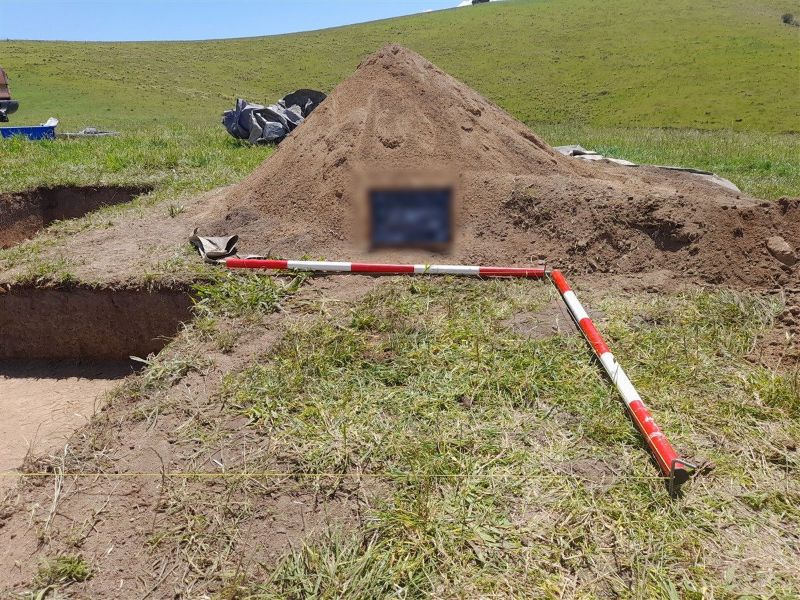
A test pit marked out with ranging poles beside its spoil heap
Test excavation
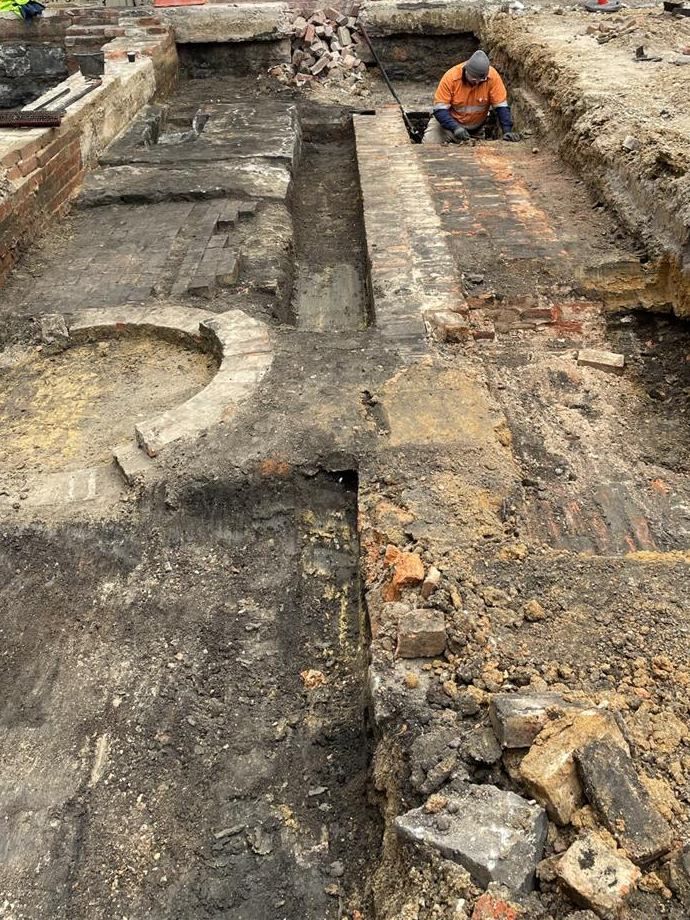
Archaeologists excavating between old brick footings
Historical archaeology
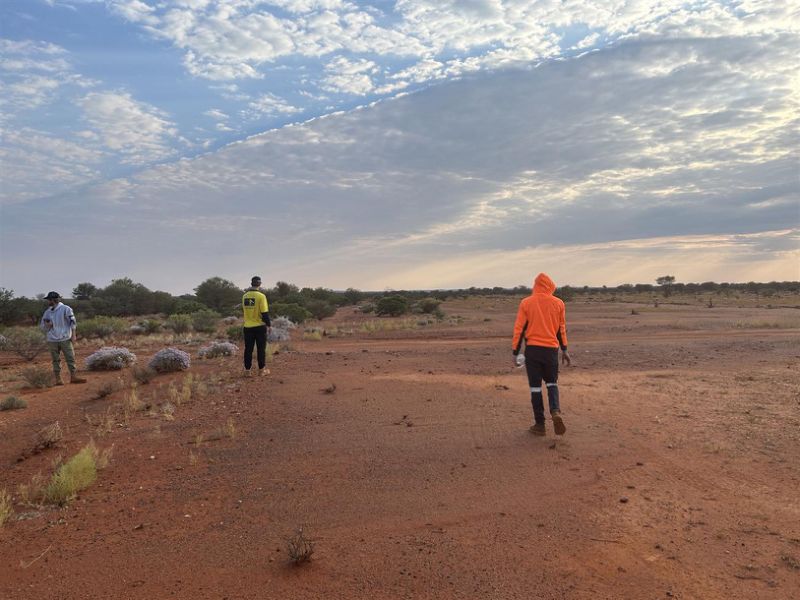
A field team walking a survey line across red earth at dawn
Survey

Questions

Historical heritage, answered.

What is a heritage impact statement?

A report on how a proposal changes a heritage place: it describes the changes, evaluates the likely impacts on the place’s heritage values, and sets out what is proposed to lessen them. Each state has its own name and guidance for it, such as a statement of heritage impact in New South Wales.

Is historical archaeology protected only at listed places?

Not in every state. Victoria’s Heritage Act 2017 protects all historical archaeological sites in the state, and in South Australia significant archaeological material is protected anywhere, not only at listed places. In New South Wales the Heritage Act 1977 protects archaeological relics of State or local heritage significance.

Do I need an archaeologist?

Usually, where archaeology may be disturbed. In Victoria a Heritage Victoria consent is likely to entail a program of archaeological excavation or monitoring by suitably qualified historical archaeologists. In New South Wales excavation is led by an excavation director who meets the published criteria, and in Tasmania a Statement of Historical Archaeological Potential is prepared by a qualified historical archaeologist.

What happens if something is found during works?

Works stop and the state is told. In Victoria, works that affect the archaeology stop at once and Heritage Victoria is informed. In Tasmania, unexpected discoveries are reported to the Heritage Council and advice is sought before works go on.

What does a historical heritage report cost?

A fixed fee, set for your project and agreed before we start. Send us the address and what you plan to do, and you’ll have the fee within two business days. Any fieldwork is quoted before it starts.

Do you look at Aboriginal heritage as well?

Yes. Most of our work is Aboriginal cultural heritage, and a site can hold both. We look at both from the start, so each is planned for at the right time.

Request a proposal

Tell us about the place. We’ll tell you which report it needs.

  1. Send the address or a map pin, and what you plan to do.
  2. Within two business days: what’s needed, how long it takes, and the fee.
  3. We do the work, from the desktop to the field to the final report.
Request a fixed-fee proposal Call (03) 9465 7906 projects@archex.com.au

An answer within two business days. No cost to ask.

Call Request a proposal